Stepover & scallop height
0.090 mm · 2.0 µm
Flat-plane ball-nose cusp & finishing line count: 1,556 lines (R=0.50 mm)
Tribute & Keepsake Plaques
Customers rarely hand you a studio portrait for a memorial order—you get an older phone snapshot on a busy couch. Test whether the photograph separates cleanly from its background for free before promising delivery or cutting select walnut.
Three free AI previews per day · no account to try · 1 credit unlocks raw EXR, true 16-bit PNGs & STL ($12 / 30 credits)
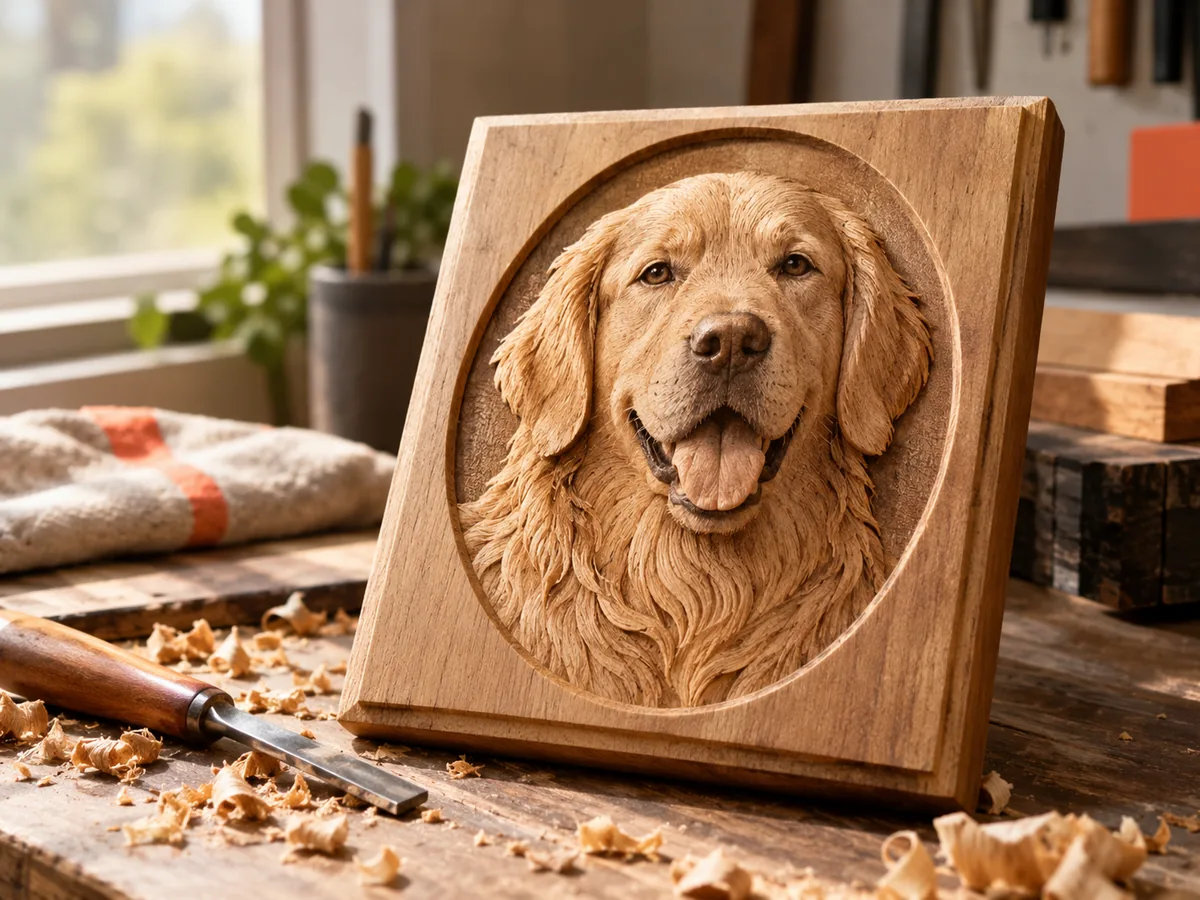
Live manufacturing workbench
Three free AI previews per day. Source checks, editing, 3D preview, and compatibility exports are free.
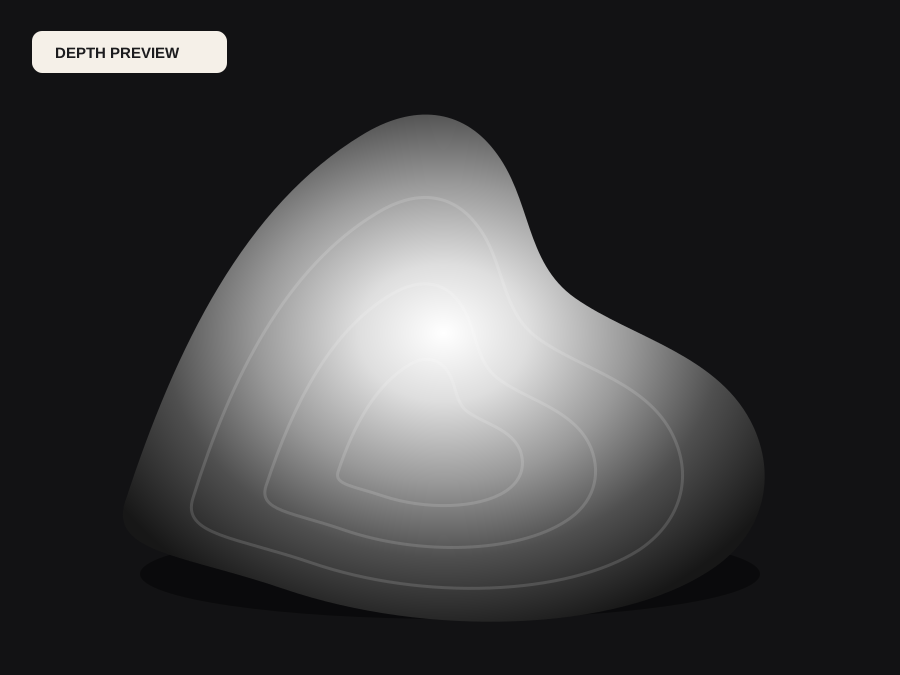
What happens to an ordinary photo (no login required):
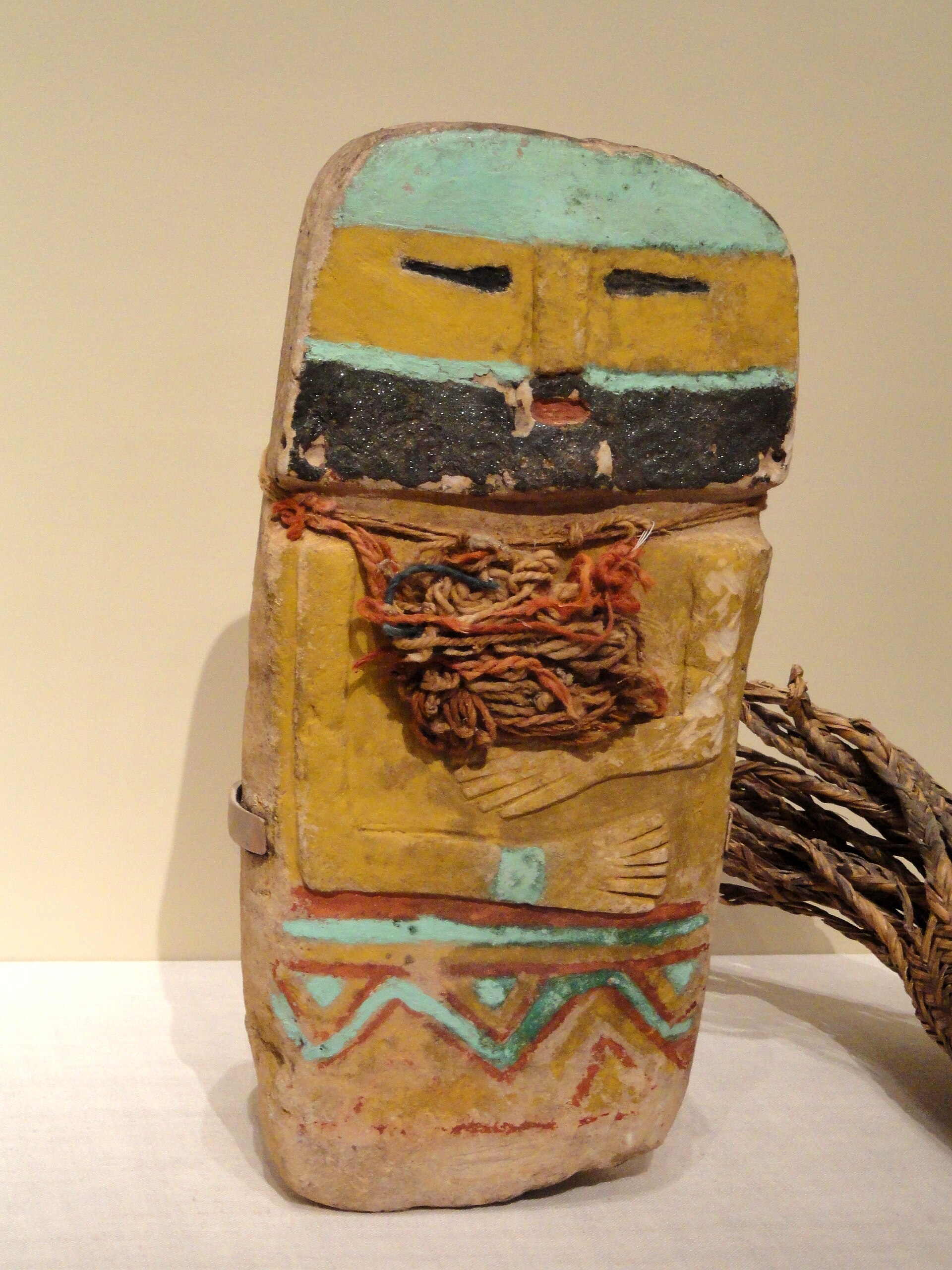
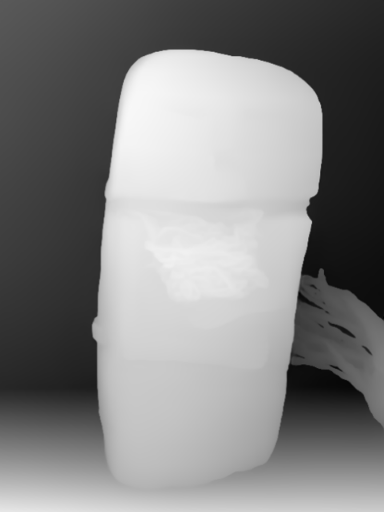
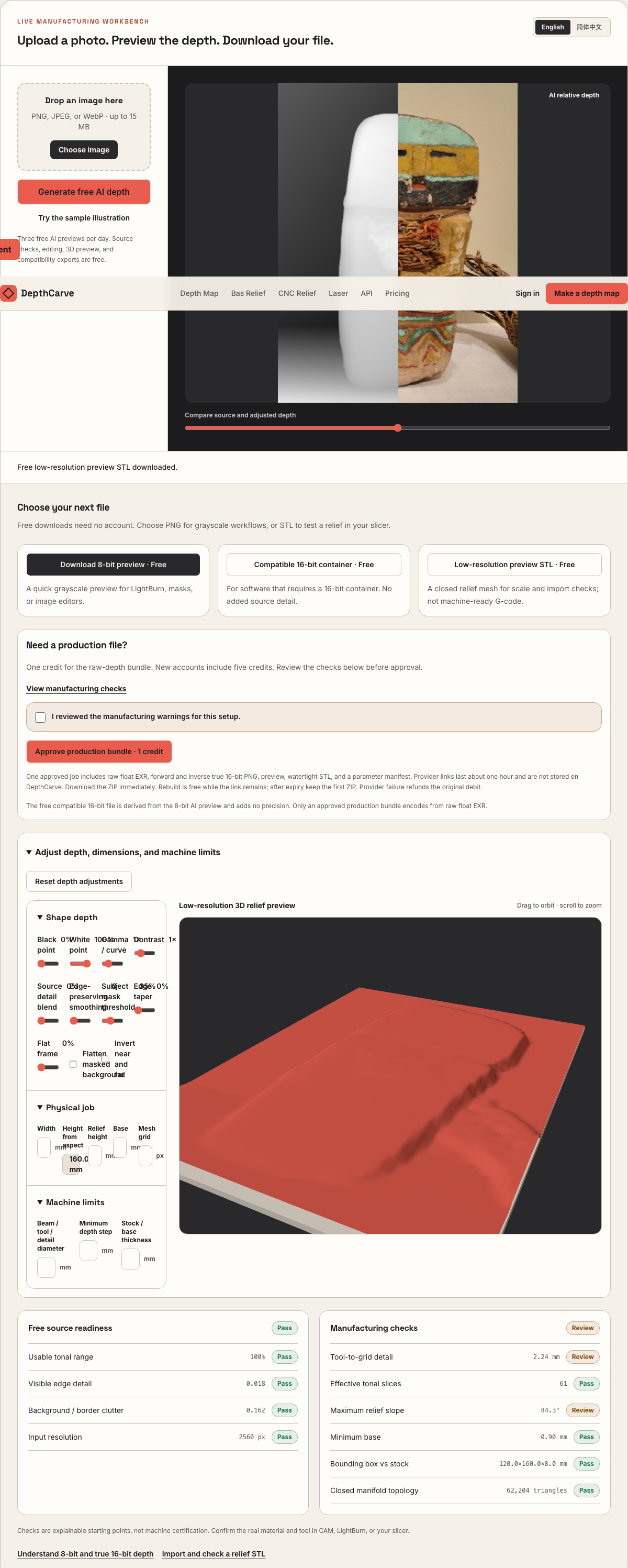
Camera shadows get separated from true 3D height—ready for CNC ball-nose finishing, LightBurn 3D Sliced laser, or resin/FDM printing.
Choose a source image to begin.
Free browser shop calculator · zero server cost
Check whether your planned cutter radius, finishing stepover, pixel width, and Z pass depth match the blank before generating a relief or importing into VCarve, Aspire, Carveco, or LightBurn.
Load a starting shop profile
Stepover & scallop height
0.090 mm · 2.0 µm
Flat-plane ball-nose cusp & finishing line count: 1,556 lines (R=0.50 mm)
Bit radius vs pixel pitch
6.4 px / R · Cutter-filtered
0.078 mm/px · min feature 1.00 mm. Multiple pixels sit inside one ball-nose radius; micro-details narrower than tool diameter are filtered physically.
Carving passes & backing stock
3 passes · 1.50 mm
Backing ≥ 1.5 mm (5.5 mm left)
8-bit vs true 16-bit Z step
17.6 µm vs 0.07 µm
High 8-bit terrace risk · 65 steps across 25% ramp (~1.09 mm terraces)
8-bit: 65 ramp levels · True 16-bit: 16,385 ramp levels
8-bit preview / compatibility PNG (256 max levels)
Discrete Z plateaus appear across gentle cheeks, backgrounds, and >256-slice Galvo jobs. Repackaging an 8-bit preview into a 16-bit container keeps the same 256 steps.
True 16-bit raw-float export (65,536 levels · 1 credit)
Encoded directly from MoGe2 raw float EXR in the Production ZIP alongside an inverse 16-bit PNG and watertight STL—keeping Z steps well below cutter scallop height.
Geometric screening only. This estimator never generates G-code, spindle speeds, feed rates, or laser power settings—always simulate in CAM and cut scrap first.
Real work, real failure cost
The useful product is not the model call. It is the review loop that catches a reversed field, a noisy border, or an impossible relief before the next tool turns that mistake into wasted time.
01
Screen customer-supplied dog, cat, and family snapshots in two minutes before accepting a custom commission.
02
Size shallow 3 mm–5 mm lid reliefs that leave safe wall thickness above box joinery or rabbet grooves.
03
Prepare clean portrait elevation maps without harsh JPEG blocks around collars, glasses, or ears.
01
Memorial orders carry high emotional stakes and poor source files: messaging-app JPEGs, black dogs lying on dark rugs, glasses catching window glare, or harsh overhead kitchen lighting. If you quote the job blind, you discover at the CAM stage that a cast shadow under the chin carved as a deep trench.
Upload the customer's picture into the free workbench first. Within seconds you can rotate the 3D preview and tell whether the muzzle, eyes, ears, and shoulders separate cleanly from the room—or whether you should politely ask the family for an outdoor daylight photo before taking payment.
02
Individual whiskers and stray hairs are narrower than a 1.0 mm tapered ball-nose tip. When a heightmap tries to preserve pixel-level fur noise, the CNC spindle chatters across thousands of micro-peaks that tear short-grain fibers in oak, ash, or soft maple and trap sanding dust.
Aim for broad coat masses—ear folds, brow ridges, snout volume, and chest ruff—rather than single strands. Pair moderate smoothing in the workbench with a fine 1.0 mm diameter (0.5 mm radius) ball-nose cutter in tight-grained cherry, hard maple, pearwood, or Corian.
03
Unlike thick wall plaques, cremation urn lids and keepsake box tops often start at 12 mm to 16 mm finished thickness with underside rabbets or hinges. Carving a 6 mm deep portrait into a 12 mm lid after planing leaves barely enough timber to resist seasonal cup or clamp pressure.
Load the Pet Memorial preset in the Pass Depth & Stepover Estimator below to balance a shallow 4.0 mm–4.8 mm relief depth against your lid thickness and backing base before setting Z-zero on the machine.
04
Customers trust custom shops with deeply personal photographs. Initial brightness checks run in your browser, and when you request an AI depth preview or production job, the source image is processed transiently for inference and is never stored in DepthCarve's application database.
Temporary provider asset links expire roughly one hour after completion, so download and archive your approved production ZIP alongside your shop order ticket right away.
Five bounded stages
Check source contrast, edge detail, border clutter, and resolution before an AI call is trusted.
Adjust the subject mask, background, curve, detail, smoothing, taper, frame, and real dimensions for free.
Compare beam or tool size, tonal slices, slope, base, manifold topology, and bounding box with the real setup.
Approve one successful production job only after the free 2D and 3D previews earn acceptance.
Download one verified ZIP and inspect it in LightBurn, CAM, or a slicer before committing production material.
Choose by next action
| Output | Use it for | It does not guarantee | Cost |
|---|---|---|---|
| 8-bit PNG | Preview, mask, laser and compositing tests | Physical scale or machine settings | Free |
| Compatible 16-bit PNG | Compatibility with grayscale depth workflows | Additional source precision | Free |
| Preview STL | Low-cost scale and import checks | Printability, tool reach, or safe G-code | Free |
| Production job bundle | Raw EXR, true 16-bit pair, STL, preview and manifest | Hidden surfaces or certified metric truth | 1 credit |
Straight answers
Luminance converters treat dark fur as zero height across the entire coat. AI depth estimation reads silhouette, ear overlap, and muzzle perspective instead of raw fur brightness, giving you a convex form you can refine with contrast and smoothing controls.
Closed, even-grained hardwoods such as hard maple, American cherry, European beech, pearwood, and tight-grained walnut hold 0.5 mm ball-nose facial details far cleaner than open-pored red oak or wide-ring softwood.
No. Source photographs are transmitted only when you run AI inference and are not stored in the application database. Download your completed production ZIP promptly because temporary provider output URLs expire in about an hour.
No. DepthCarve focuses strictly on the portrait relief geometry and heightmap. Add V-carved names, dates, borders, and rear keyhole slots inside your CAD/CAM layout where vector toolpaths stay razor-sharp.
Explore plaque sizing ideas for wood, stone, and backlit tributes.
Inspect preset dimensions and manufacturability checks for pet plaques.
Combine your portrait relief with crisp V-carved names and dates.
See how harsh directional shadows behave in single-photo depth.
Preview the idea free. Pay 1 credit for production output.
Start without an account—3 free AI previews per day. Unlock raw EXR, true 16-bit PNG heightmaps, and watertight STL with the $12 Maker Pack (30 credits) or $39 Shop Pack (150 credits).