Stepover & scallop height
0.15 mm · 3.8 µm
Flat-plane ball-nose cusp & finishing line count: 1,200 lines (R=0.75 mm)
Production File Specification
Saving an 8-bit JPEG or PNG inside a 16-bit header does not invent 65,280 missing elevation steps. See exactly how DepthCarve encodes its 1-credit production ZIP from raw floating-point depth—and verify every file locally.
Three free AI previews per day · no account to try · 1 credit unlocks raw EXR, true 16-bit PNGs & STL ($12 / 30 credits)
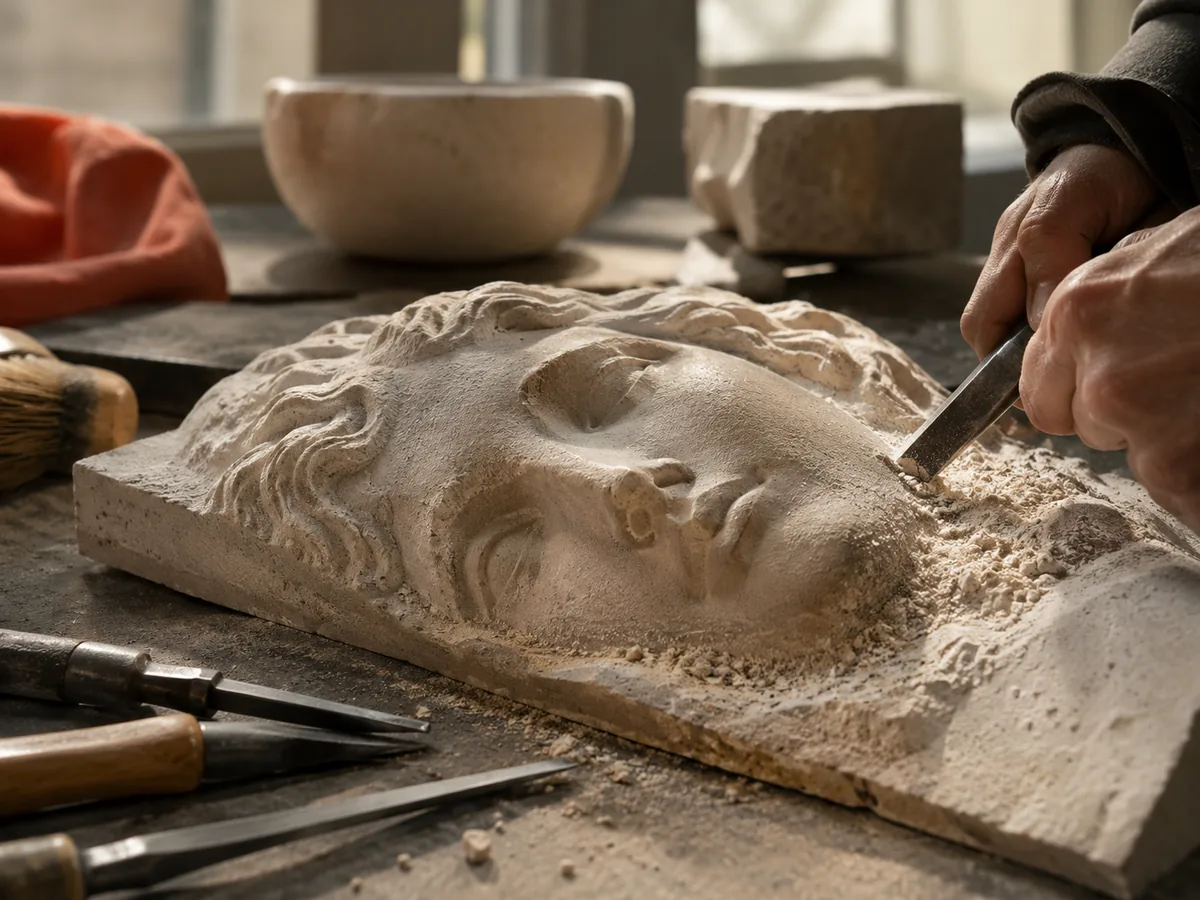
Live manufacturing workbench
Three free AI previews per day. Source checks, editing, 3D preview, and compatibility exports are free.
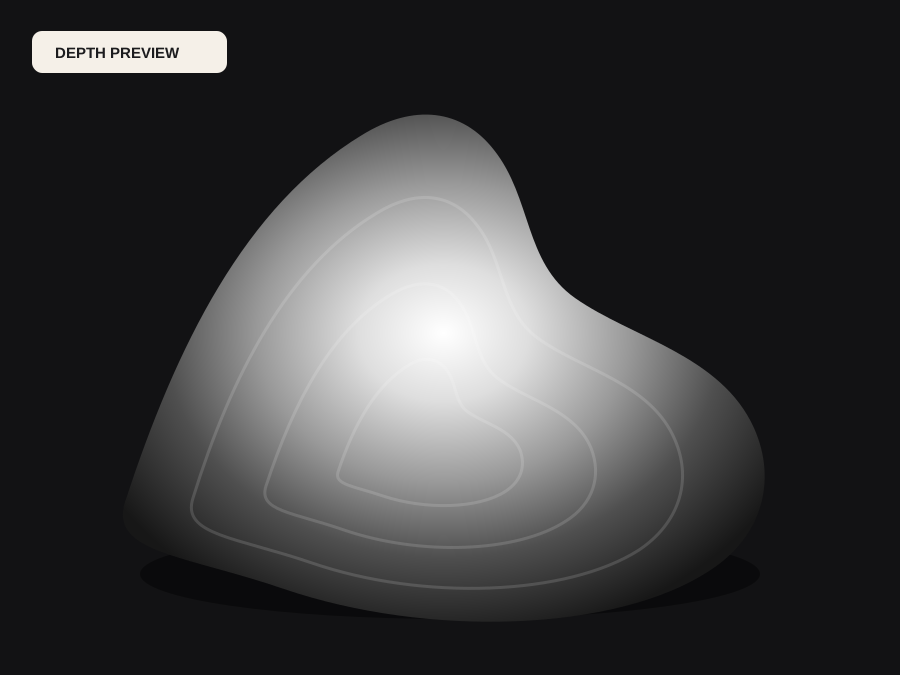
What happens to an ordinary photo (no login required):
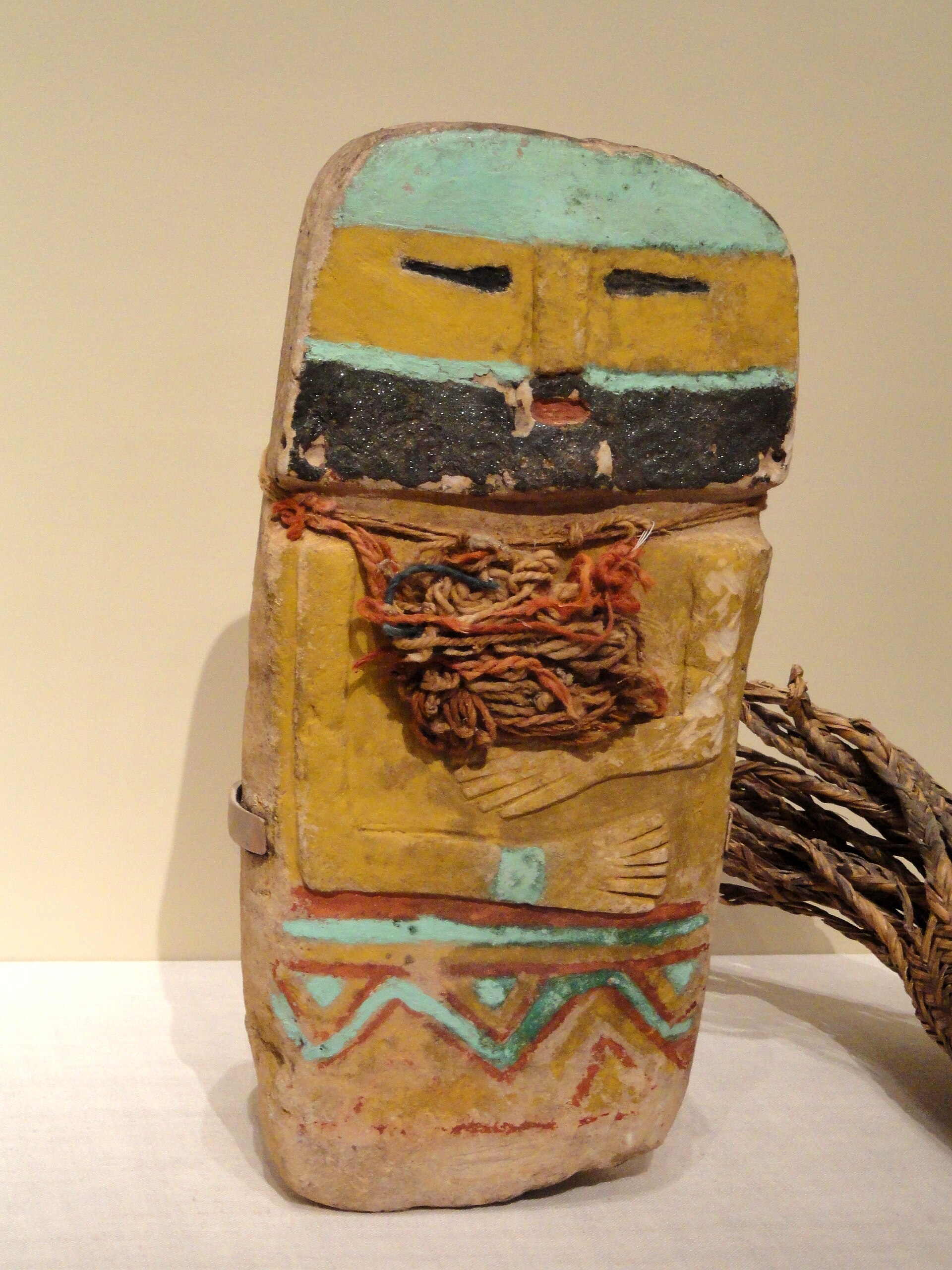
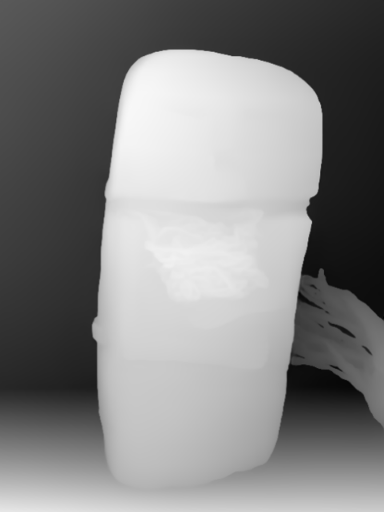
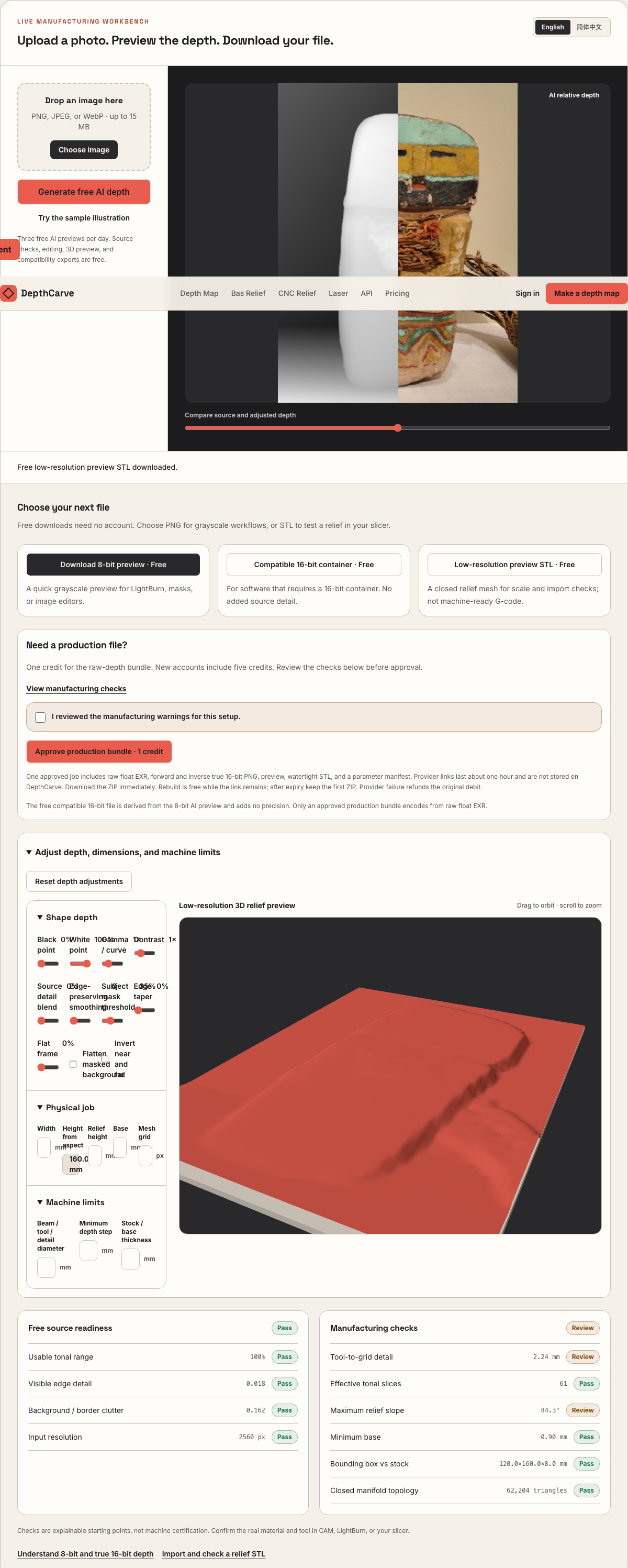
Camera shadows get separated from true 3D height—ready for CNC ball-nose finishing, LightBurn 3D Sliced laser, or resin/FDM printing.
Choose a source image to begin.
Free browser shop calculator · zero server cost
Check whether your planned cutter radius, finishing stepover, pixel width, and Z pass depth match the blank before generating a relief or importing into VCarve, Aspire, Carveco, or LightBurn.
Load a starting shop profile
Stepover & scallop height
0.15 mm · 3.8 µm
Flat-plane ball-nose cusp & finishing line count: 1,200 lines (R=0.75 mm)
Bit radius vs pixel pitch
8.5 px / R · Cutter-filtered
0.088 mm/px · min feature 1.50 mm. Multiple pixels sit inside one ball-nose radius; micro-details narrower than tool diameter are filtered physically.
Carving passes & backing stock
3 passes · 1.67 mm
Backing ≥ 1.5 mm (7.0 mm left)
8-bit vs true 16-bit Z step
19.6 µm vs 0.08 µm
High 8-bit terrace risk · 65 steps across 25% ramp (~1.41 mm terraces)
8-bit: 65 ramp levels · True 16-bit: 16,385 ramp levels
8-bit preview / compatibility PNG (256 max levels)
Discrete Z plateaus appear across gentle cheeks, backgrounds, and >256-slice Galvo jobs. Repackaging an 8-bit preview into a 16-bit container keeps the same 256 steps.
True 16-bit raw-float export (65,536 levels · 1 credit)
Encoded directly from MoGe2 raw float EXR in the Production ZIP alongside an inverse 16-bit PNG and watertight STL—keeping Z steps well below cutter scallop height.
Geometric screening only. This estimator never generates G-code, spindle speeds, feed rates, or laser power settings—always simulate in CAM and cut scrap first.
Real work, real failure cost
The useful product is not the model call. It is the review loop that catches a reversed field, a noisy border, or an impossible relief before the next tool turns that mistake into wasted time.
01
Archive raw EXR, 16-bit PNGs, watertight STL, and exact millimeter settings in one reproducible shop bundle.
02
Displace subdivision meshes using unclipped floating-point EXR or verified 16-bit grayscale ramps without posterization.
03
Eliminate empty histogram gaps that cause contour banding across 250+ ablation slices.
01
Browser `<canvas>` elements default to 8-bit RGBA channels (values 0 through 255). Many online depth converters render the model preview onto an 8-bit canvas, multiply every integer by 257 (`0 -> 0`, `1 -> 257`, `255 -> 65535`), and write a 16-bit PNG header. File properties say 16-bit grayscale, yet the histogram contains 256 spikes separated by 256 empty gaps.
DepthCarve labels that distinction openly. Our free no-login download includes an 8-bit PNG and a compatibility 16-bit container for software import checks, never pretending it holds extra precision. When you approve a 1-credit production job, the server fetches the raw floating-point depth array, applies your shaping curve in float math, and quantizes across the full 0–65,535 integer range.
02
Every approved production bundle packages six coordinated artifacts: (1) the raw floating-point OpenEXR depth asset for DCC displacement and archival re-grading; (2) a verified true 16-bit forward grayscale PNG; (3) a verified true 16-bit inverse grayscale PNG so CAM or laser inversion never requires re-saving; (4) a denser watertight binary STL with closed walls and planar base; (5) a visual reference preview; and (6) `manifest.json`.
The JSON manifest records your exact shaping parameters, millimeter width, relief height, base thickness, mesh grid resolution, manufacturability warnings, and bit-depth verification checks—so repeat orders six months later do not rely on shop memory.
03
Use the Pass Depth & Stepover Estimator below to compare your physical Z-step in microns against your process. On a 3 mm textured pine sign cut with a 3.175 mm ball nose, an 11.8 µm 8-bit step sits well below wood fiber fuzz. On an 8 mm hard-maple portrait ramp, a 300-pass brass galvo engraving, or a close-up Blender displacement render, 8-bit shelves align across hundreds of neighboring pixels into visible contour bands.
At $12 for 30 credits ($0.40 per approved production job) or workshop plans for daily volume, upgrading only the jobs that pass your free preview check costs far less than sanding contour rings out of one hardwood blank.
04
You do not need to take any generator's marketing copy on faith. Drop any PNG into DepthCarve's local PNG Bit Depth Checker to inspect the raw IHDR header, sample bit depth, unique value count, and comb-gap ratio entirely in your browser.
Likewise, drop any STL into the local STL Viewer to confirm triangle count, watertight edge pairing, and millimeter bounding box before launching CAM. Temporary inference-provider links expire after roughly one hour, so save your production ZIP locally as soon as the job finishes.
Five bounded stages
Check source contrast, edge detail, border clutter, and resolution before an AI call is trusted.
Adjust the subject mask, background, curve, detail, smoothing, taper, frame, and real dimensions for free.
Compare beam or tool size, tonal slices, slope, base, manifold topology, and bounding box with the real setup.
Approve one successful production job only after the free 2D and 3D previews earn acceptance.
Download one verified ZIP and inspect it in LightBurn, CAM, or a slicer before committing production material.
Choose by next action
| Output | Use it for | It does not guarantee | Cost |
|---|---|---|---|
| 8-bit PNG | Preview, mask, laser and compositing tests | Physical scale or machine settings | Free |
| Compatible 16-bit PNG | Compatibility with grayscale depth workflows | Additional source precision | Free |
| Preview STL | Low-cost scale and import checks | Printability, tool reach, or safe G-code | Free |
| Production job bundle | Raw EXR, true 16-bit pair, STL, preview and manifest | Hidden surfaces or certified metric truth | 1 credit |
Straight answers
The free compatibility 16-bit PNG is derived from the 8-bit browser preview so you can test whether your CAM or laser software accepts 16-bit grayscale containers. The 1-credit production 16-bit forward and inverse PNGs are encoded server-side directly from raw floating-point depth.
Open our free browser PNG Bit Depth Checker (/png-bit-depth-checker) and drop the file in. It parses PNG chunks locally and checks whether intermediate values between multiples of 257 are populated across smooth ramps.
One approved production bundle costs 1 credit. Credit packs start with Maker (30 credits for $12, or $0.40 per complete bundle), and confirmed inference-provider failures automatically return the credit.
Provider links to raw depth assets are temporary and expire about one hour after job completion, and DepthCarve does not store production ZIP archives permanently. Download and back up your ZIP immediately after approval.
Audit IHDR headers and detect padded 8-bit-in-16-bit files locally.
Verify watertight topology, triangle count, and millimeter bounds.
Deep dive into integer quantization, EXR float, and surface ramps.
Compare occasional credit packs, workshop plans, and API access.
Preview the idea free. Pay 1 credit for production output.
Start without an account—3 free AI previews per day. Unlock raw EXR, true 16-bit PNG heightmaps, and watertight STL with the $12 Maker Pack (30 credits) or $39 Shop Pack (150 credits).